Compare Local Contractors for Effective Water Pooling Prevention
Compare local contractors for water pooling prevention to define project scope, verify experience, and set clear expectations for a successful outcome.
Water pooling prevention contractors typically focus on identifying and addressing areas on a property where water tends to collect after rain or irrigation. Their work may include grading and leveling the landscape to promote proper drainage, installing or repairing drainage systems such as French drains or surface drains, and improving soil conditions to facilitate water runoff. In some cases, contractors may also recommend adding features like swales or berms to redirect water away from structures and prevent long-term pooling issues. The goal of these services is to ensure that excess water is efficiently diverted, reducing the risk of damage to the property and minimizing standing water that can lead to other problems.
Clearly defining the scope of work is essential when hiring contractors for water pooling prevention. A well-outlined scope helps property owners understand what specific tasks will be performed and ensures that all necessary areas are addressed. It can include details such as the extent of grading, types of drainage systems to be installed, soil modifications, and any additional landscaping adjustments. Having these details in writing helps prevent misunderstandings and provides a clear basis for comparing different service providers. It also makes it easier to evaluate the experience and expertise of local contractors, as they can demonstrate familiarity with the specific challenges of water management in the area.
When comparing local contractors for water pooling prevention, property owners should consider their experience with similar projects and knowledge of the local terrain and weather conditions. It’s beneficial to review any available references or project portfolios that showcase previous work in the area. Additionally, verifying that contractors can provide detailed proposals with scope descriptions in writing helps facilitate an informed decision. Property owners can also compare how contractors approach problem-solving and drainage solutions, ensuring that the selected service providers are capable of addressing the unique needs of their property. This approach supports making a practical choice based on expertise, scope clarity, and the ability to meet specific drainage requirements.
Compare local contractors by outlining priorities, verifying experience, and setting clear expectations in writing.
- Compare Contractor Experience - Review the backgrounds and project history of local contractors to ensure relevant expertise.
- Define Project Scope Clearly - Outline specific tasks and responsibilities to set clear expectations for water pooling prevention work.
- Verify Credentials and References - Check references and previous work to assess the reliability and quality of local service providers.
- Document Agreements in Writing - Ensure all project details, responsibilities, and expectations are documented to prevent misunderstandings.
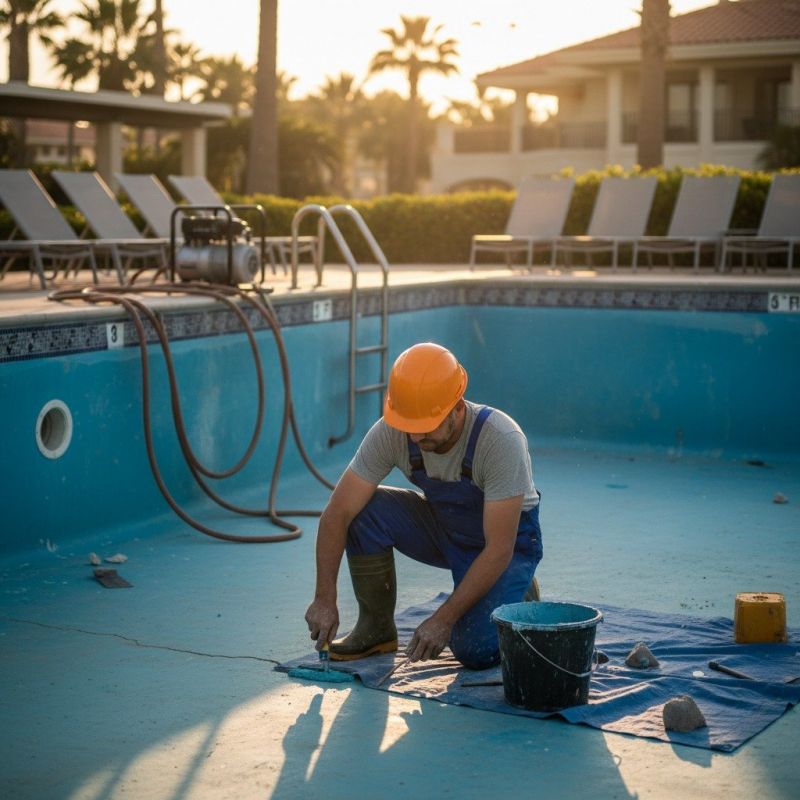
Compare local contractors by clearly describing your project and scope, verifying their experience, and setting expectations in writing.
- Assess drainage solutions - ensure contractors can identify potential low spots and implement effective grading or drainage systems.
- Verify experience with water management - look for service providers who have a proven track record in preventing water pooling around pools.
- Define scope of work clearly - specify tasks such as grading, drainage installation, or surface modifications in the project plan.
- Request written estimates and plans - obtain detailed documentation outlining the recommended methods and materials for water pooling prevention.
- Check references or reviews - review feedback from previous clients regarding the contractor’s effectiveness in water management projects.
- Confirm warranty or guarantee policies - understand the service provider’s commitments for addressing future water pooling issues post-completion.
Compare local contractors' experience, clarify project scope, and establish written expectations for effective water pooling prevention.
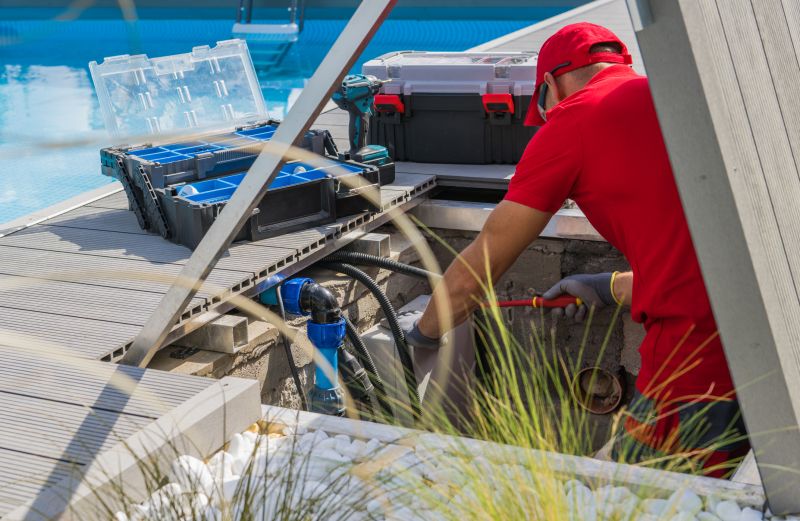
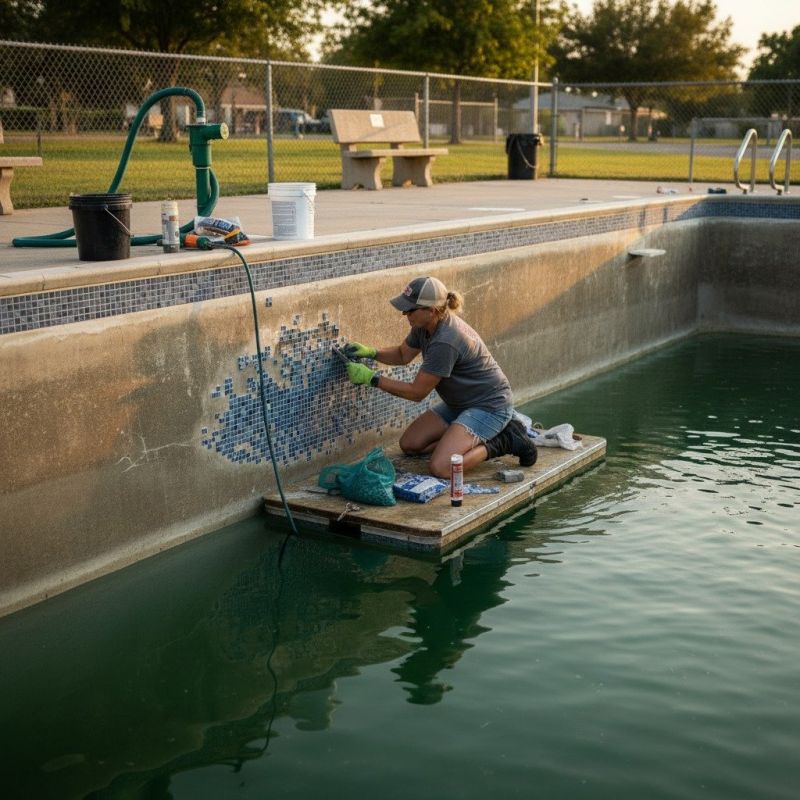
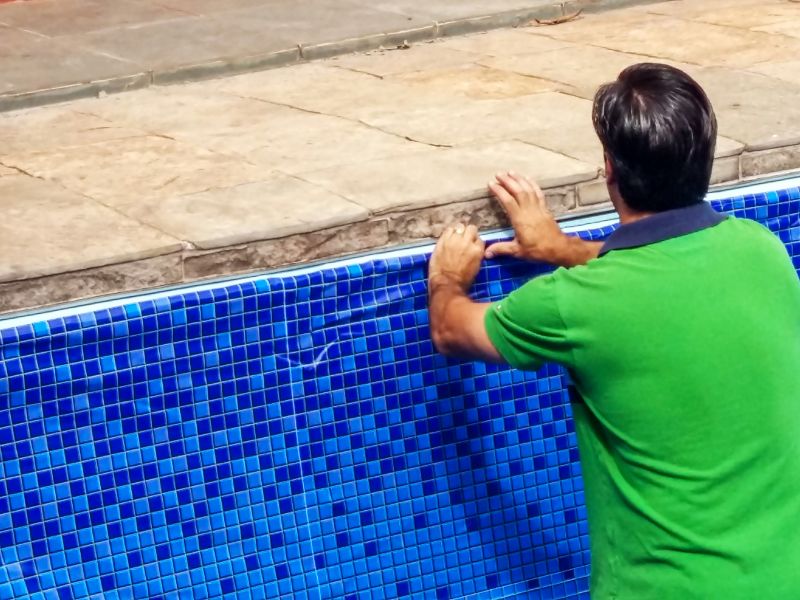
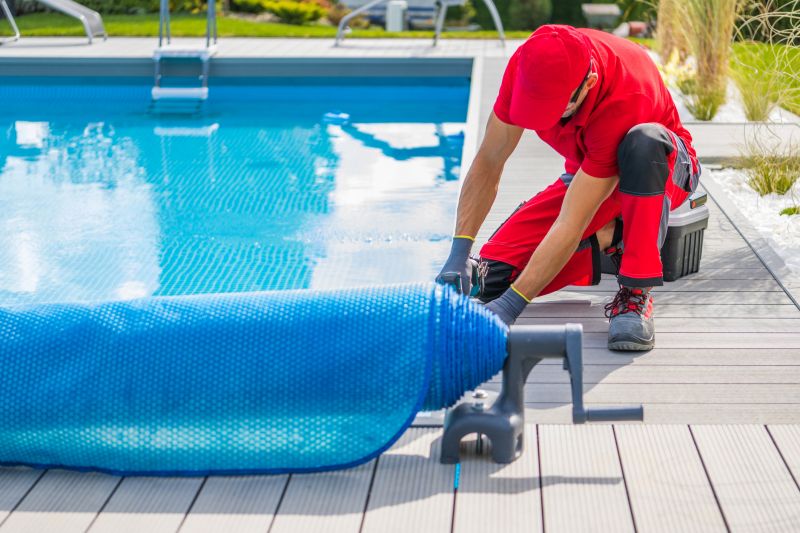
Learn how to compare local contractors for water pooling prevention by defining scope, verifying experience, and setting clear expectations.
- Define scope of water pooling prevention measures - specify the areas and methods to address water accumulation around the pool structure.
- Identify necessary drainage solutions - determine the types of drainage systems or modifications required to divert water effectively.
- Assess site conditions and grading requirements - evaluate existing terrain and slopes to prevent water from pooling near the pool area.
- Verify experience with water management and grading - ensure local contractors have relevant experience in implementing effective water runoff solutions.
- Establish clear project expectations in writing - document the scope, methods, and responsibilities to ensure mutual understanding with service providers.
When comparing contractors for water pooling prevention, it is important to evaluate their experience with similar projects. Service providers who have a history of addressing water drainage issues in residential settings are more likely to understand the specific challenges of your site. Asking about previous work can provide insight into their familiarity with different soil types, landscaping features, and common problem areas. Contractors with relevant experience can often offer more informed solutions that are tailored to your property's unique conditions.
A clear, written scope of work is essential for setting expectations and ensuring that all parties understand the project details. When reviewing proposals or discussing options, look for detailed descriptions of the tasks to be performed, materials to be used, and the specific areas that will be addressed. A well-defined scope helps prevent misunderstandings and provides a basis for evaluating whether the proposed work aligns with your needs. Service providers should be able to articulate their approach in writing, making it easier to compare different options objectively.
Verification basics are key to assessing the reliability of local contractors. While formal licensing or certification may not be a requirement, it is advisable to verify references or ask for examples of completed projects similar to yours. Checking reviews or testimonials can also provide additional context about a contractor’s reputation and quality of work. Clarifying how they plan to verify the effectiveness of their solutions-such as through site inspections or follow-up assessments-can further ensure that the selected service provider has a practical approach to water pooling prevention.
Evaluating options without focusing on prices involves carefully comparing the scope, experience, and approach of different contractors. Consider how well each service provider understands your site’s specific needs and whether their proposed solutions are comprehensive and realistic. Pay attention to how clearly they communicate their methods and how thoroughly they address potential problem areas. By focusing on these qualitative factors, homeowners can select a contractor who is capable of delivering effective water pooling prevention solutions tailored to their property, all while maintaining an impartial perspective.
Ask contractors to provide written scope details to ensure clear expectations and consistent project understanding.
- Scope of Work - What specific services and responsibilities will the contractor include in water pooling prevention?
- Experience and Expertise - How do contractors demonstrate their experience with similar water pooling prevention projects?
- Material and Methodology - What methods and materials do contractors plan to use to prevent water pooling effectively?
- Project Expectations - How will the scope of work be documented to ensure clear expectations and deliverables?
- Comparison Factors - What criteria should be used to compare contractors’ approaches and ensure thorough coverage of water pooling prevention?
What should I consider when choosing a contractor for water pooling prevention? It's important to compare local contractors based on their experience, reputation, and the scope of services they offer. Ensuring clear communication about project expectations can help in selecting the right service provider.
How can I verify a contractor’s experience with water pooling prevention? You can review their previous work, ask for references, or check if they have specialized knowledge in drainage solutions and landscape grading to ensure they are qualified for the job.
What questions should I ask a contractor before hiring for water pooling prevention? Inquire about their approach to drainage issues, the methods they use, the materials involved, and how they plan to address your specific site conditions to ensure they understand your needs.
How important is it to define the scope of work in writing? Clearly outlining the scope of work helps set expectations, prevents misunderstandings, and ensures both parties agree on the tasks to be completed for effective water pooling prevention.
Can I compare multiple contractors easily for this service? Yes, by reviewing their experience, scope of work, and the details they provide in proposals or estimates, you can compare local service providers to find the best match for your project.
What should I look for in a contractor’s reputation regarding water pooling prevention? Look for reviews, testimonials, or references that highlight their reliability, quality of work, and ability to effectively address drainage issues in similar situations.
Understanding the importance of proper water pooling prevention, visitors have learned how to evaluate local contractors by clarifying project scope, verifying experience, and setting clear expectations in writing. This approach helps ensure that the selected service providers are well-suited to handle the job effectively and reliably. Comparing multiple options allows for a better understanding of what each contractor offers, making it easier to make an informed decision.
To find the right contractor for water pooling prevention, visitors are encouraged to use the quote form to compare local service providers. Gathering details about their experience and scope of work can help identify the best fit for the specific needs of the project. Taking this step can streamline the process of connecting with trusted local contractors capable of addressing water pooling concerns.